
Haynes Equipment Company, Inc. — founded 1961, headquartered in Olathe, Kansas — is one of the Midwest's leading manufacturers' representatives for municipal water and wastewater equipment.
The Complete Guide to E/One Grinder Pump Systems
For decades, municipal engineers and residential developers faced a seemingly insurmountable problem: how do you install reliable sanitary sewer infrastructure in areas plagued by solid rock, high groundwater, or extreme topographical challenges? The traditional answer—deep gravity trenching—often meant financially devastating excavation costs and environmental disruption.
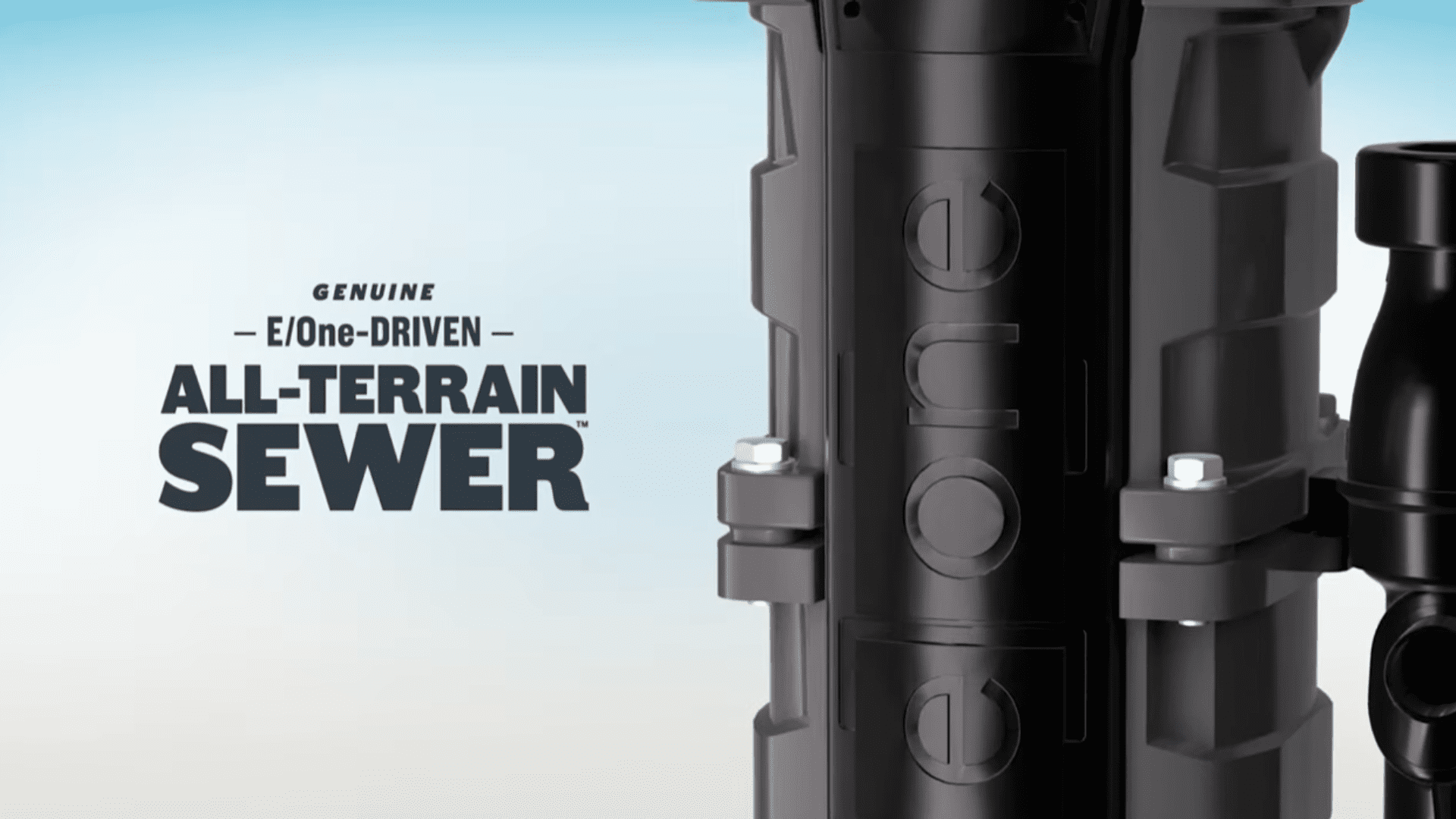
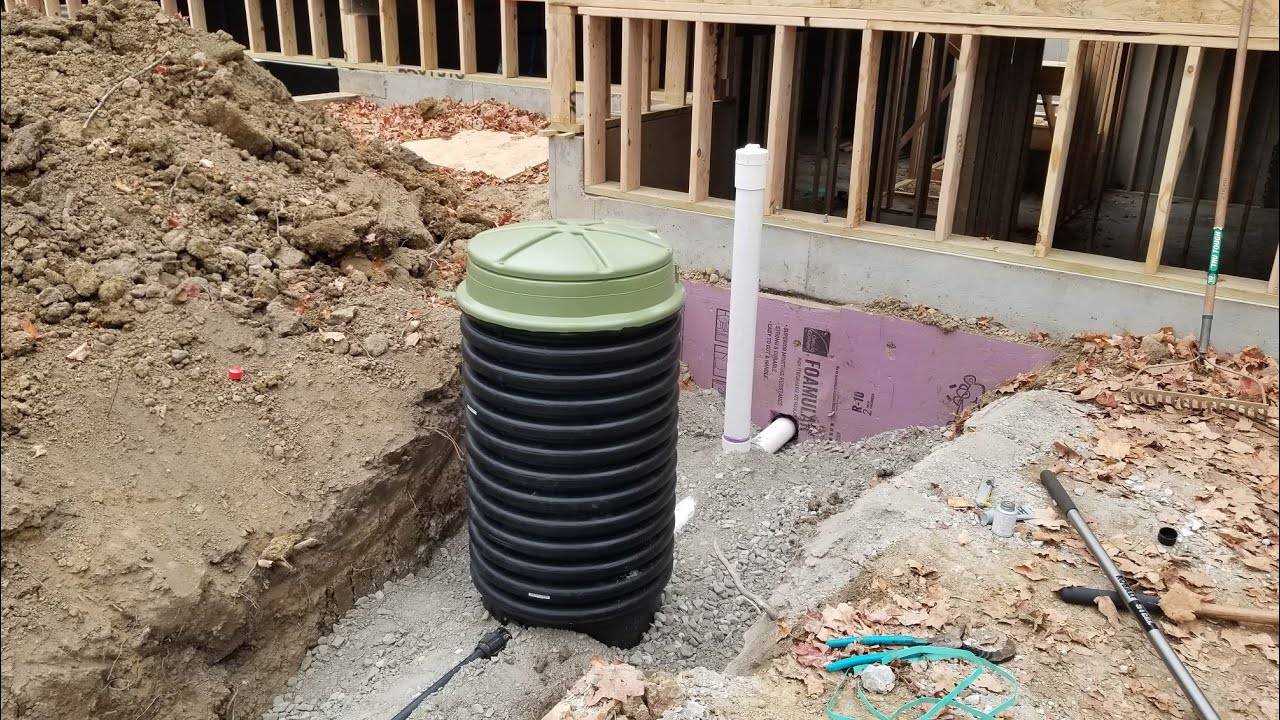
The modern solution is the low-pressure sewer (LPS) system powered by Environment One (E/One) grinder pumps.
How the E/One Progressing Cavity Pump Works
Unlike standard centrifugal pumps that rely on spinning impellers, the E/One grinder pump utilizes a highly specialized progressing cavity mechanism. This consists of a stainless steel rotor turning inside a rubber stator. As the rotor turns, it creates a series of sealed cavities that push wastewater forward at a constant, predictable rate.
This semi-positive displacement design is critical for pressure sewers because it generates immense vertical lift (head pressure) without losing flow capacity. Whether the pump is pushing wastewater slightly uphill or over a massive elevation change, the E/One pump delivers a near-vertical pump curve, ensuring the system never "dead-heads."
The ALL-TERRAIN SEWER® Advantage
Because E/One pumps pulverize wastewater and solids into a fine slurry, the resulting effluent can be transported through small-diameter PVC or HDPE pipes (typically just 2 to 4 inches in diameter). These small pipes do not require the precise, continuous downward slope of gravity sewers. Instead, they can follow the natural contour of the land, routing over hills and burying just below the frost line.
- Reduced Excavation: Eliminate 20-foot deep trenches. Small pipes can be installed via horizontal directional drilling (HDD).
- Environmental Preservation: HDD installation preserves mature trees, wetlands, and existing road infrastructure.
- Infiltration and Inflow (I&I) Elimination: Because the system is entirely closed and under pressure, groundwater cannot leak in and wastewater cannot leak out, drastically reducing the hydraulic load on the treatment plant.
Engineering Reliability: The Sentry Alarm Panel
Modern E/One systems are paired with advanced Sentry Alarm panels. These predictive telemetry systems monitor voltage, amperage, and run-times. If a pump begins to draw excess current or run longer than its historical average, the panel can alert utility managers via cellular telemetry before a backup ever occurs. This transforms municipal maintenance from reactive firefighting into predictable, scheduled asset management.