

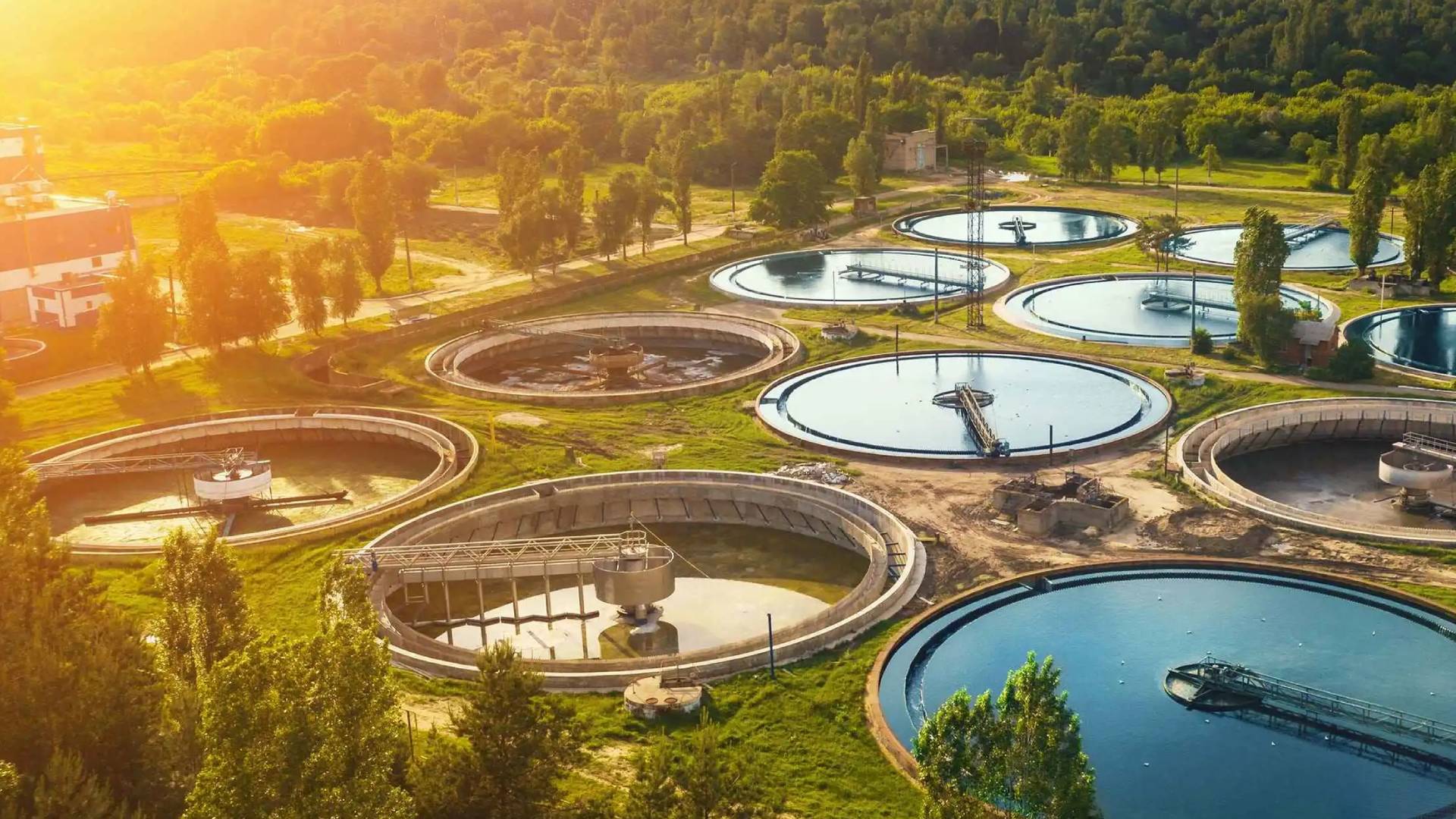
A pressure sewer system uses grinder pumps at each property to pulverize wastewater and push it through small-diameter pipes under pressure, whereas a gravity sewer relies on the natural downward slope of the land to transport wastewater through large, deep pipes.
Deep Dive: Gravity vs. Pressure
In a traditional gravity system, pipes must be laid at a precise, continuous downward grade. If the terrain is flat, the pipes must get progressively deeper—sometimes 20 to 30 feet deep—requiring massive, disruptive trenching. When the pipes get too deep, an expensive municipal lift station must be installed to pump the water back to the surface to start the gravity cycle again.
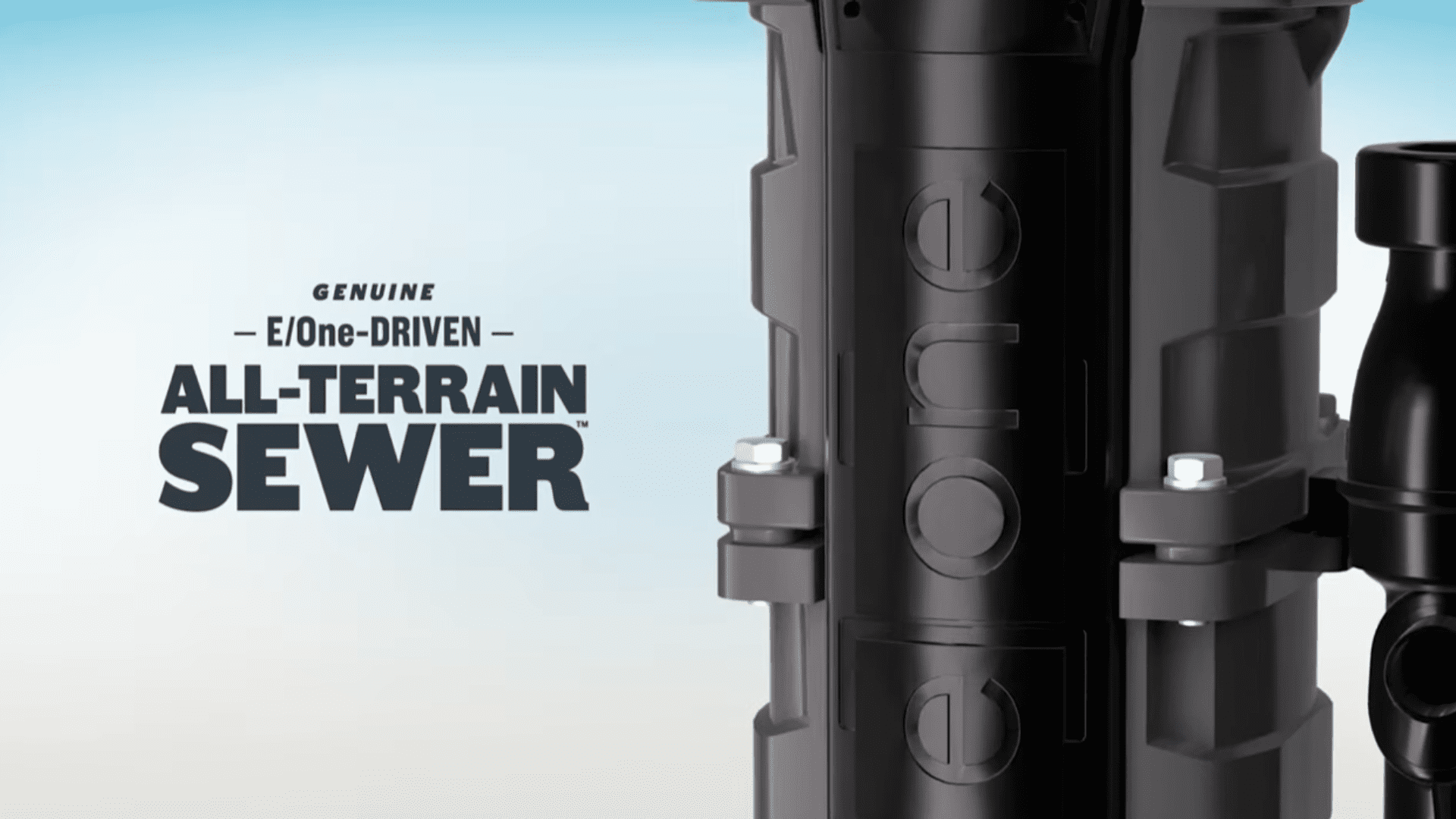
In contrast, an E/One pressure sewer uses a 1-horsepower grinder pump at each home. Because the wastewater is under pressure, the pipes do not need a downward slope. They are simply buried just below the frost line, following the natural contour of the land. This drastically reduces excavation costs, environmental disruption, and the need for large regional lift stations.
For a full breakdown of pressure sewer engineering, return to our Ultimate Guide to Pressure Sewer Systems.