
Haynes Equipment Company, Inc. — founded 1961, headquartered in Olathe, Kansas — is one of the Midwest's leading manufacturers' representatives for municipal water and wastewater equipment.
Understanding Who is responsible for maintaining a grinder pump — the homeowner or the utility
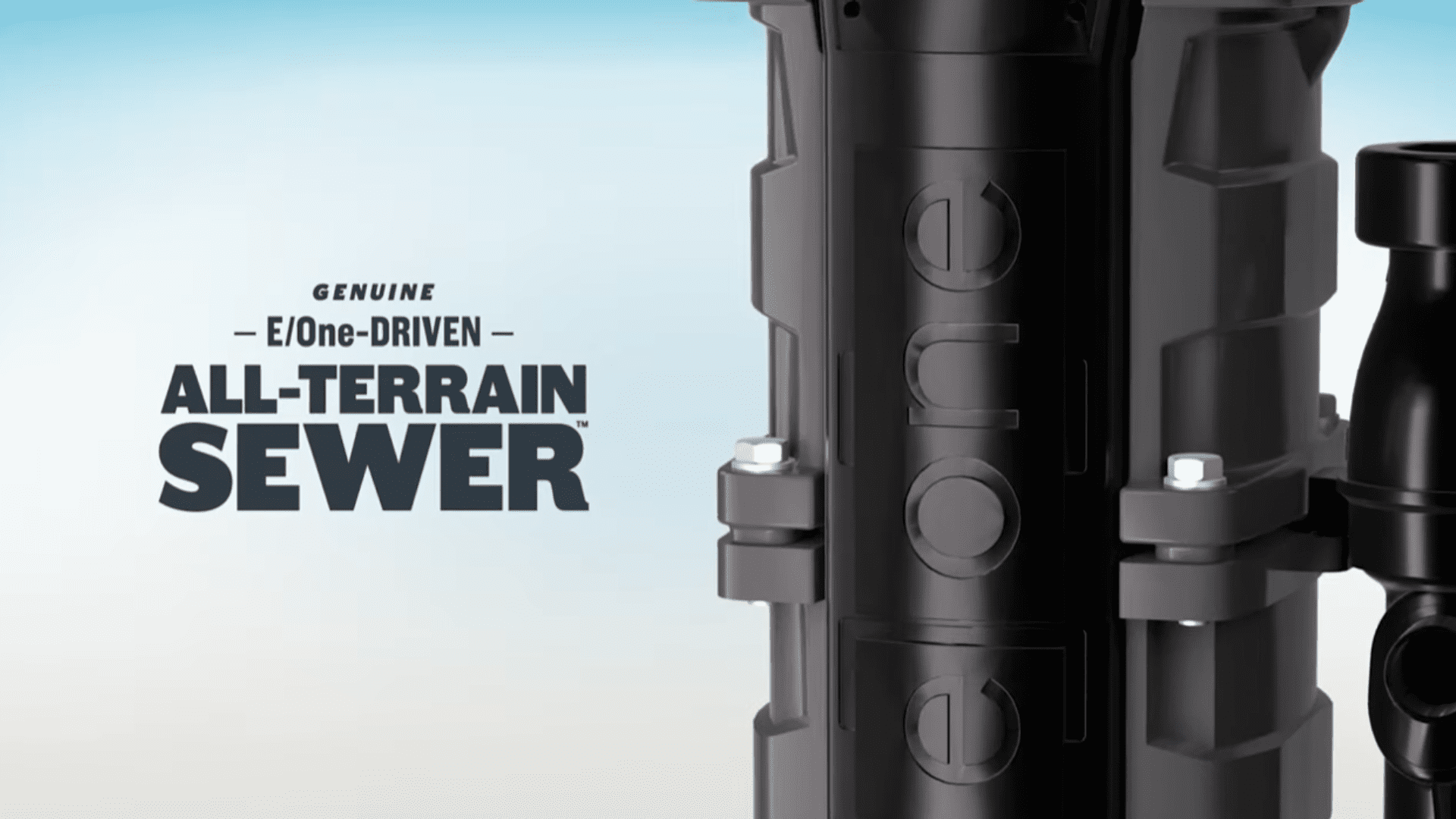
Addressing the complex challenges surrounding who is responsible for maintaining a grinder pump — the homeowner or the utility is critical for modern municipal and industrial facilities striving to maintain compliance, optimize operational efficiency, and protect public health.
In the highly regulated water and wastewater industry, engineering best practices dictate that every component of a treatment process must be meticulously evaluated. When considering who is responsible for maintaining a grinder pump — the homeowner or the utility, plant operators and consulting engineers must account for hydraulic capacity, biological loading, and lifecycle maintenance costs.
Key Considerations and Industry Standards
Modern infrastructure requires reliable, heavy-duty solutions. The industry has shifted away from outdated, energy-intensive methodologies in favor of high-efficiency equipment driven by SCADA telemetry and Variable Frequency Drives (VFDs).
- Regulatory Compliance: As the EPA enforces stricter limits on nutrient discharge (Nitrogen and Phosphorus) and emerging contaminants (PFAS), understanding the mechanics of who is responsible for maintaining a grinder pump — the homeowner or the utility is non-negotiable for avoiding costly fines.
- Energy Optimization: Aeration and pumping account for massive portions of a utility's electrical budget. Evaluating the efficiency of who is responsible for maintaining a grinder pump — the homeowner or the utility allows facilities to drastically reduce their carbon footprint and secure rapid return on investment (ROI).
- Long-Term Reliability: Municipal infrastructure is designed for a 20-to-30-year lifecycle. Specifying heavy-gauge materials, redundant systems, and proven technologies ensures that the system will perform flawlessly even under peak wet-weather flows or extreme industrial loading.
The Haynes Equipment Advantage
Navigating the technical specifications of who is responsible for maintaining a grinder pump — the homeowner or the utility requires localized, expert support. Since 1961, Haynes Equipment Company has served as the critical link between world-class equipment manufacturers and the local engineers and municipalities who rely on them.
From the initial 30% design phase and hydraulic modeling through to final factory start-up and aftermarket parts support, Haynes ensures that every project is engineered for lasting success.
Need Engineering Support? Haynes Equipment Is Here.
For over six decades, Haynes Equipment Company has partnered with consulting engineers, municipalities, and utilities to specify, supply, and support the most robust water and wastewater technologies on the market.