
The Cost of Inefficient Pumping
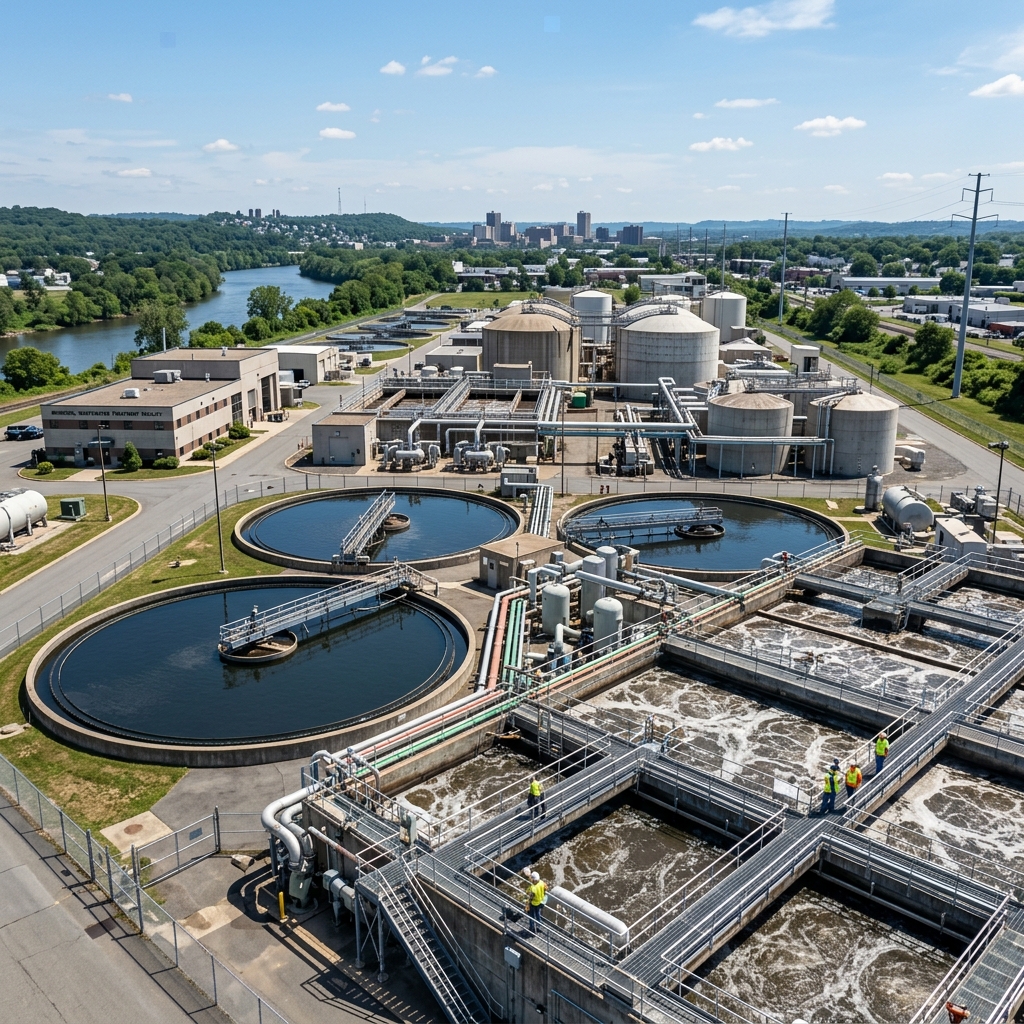
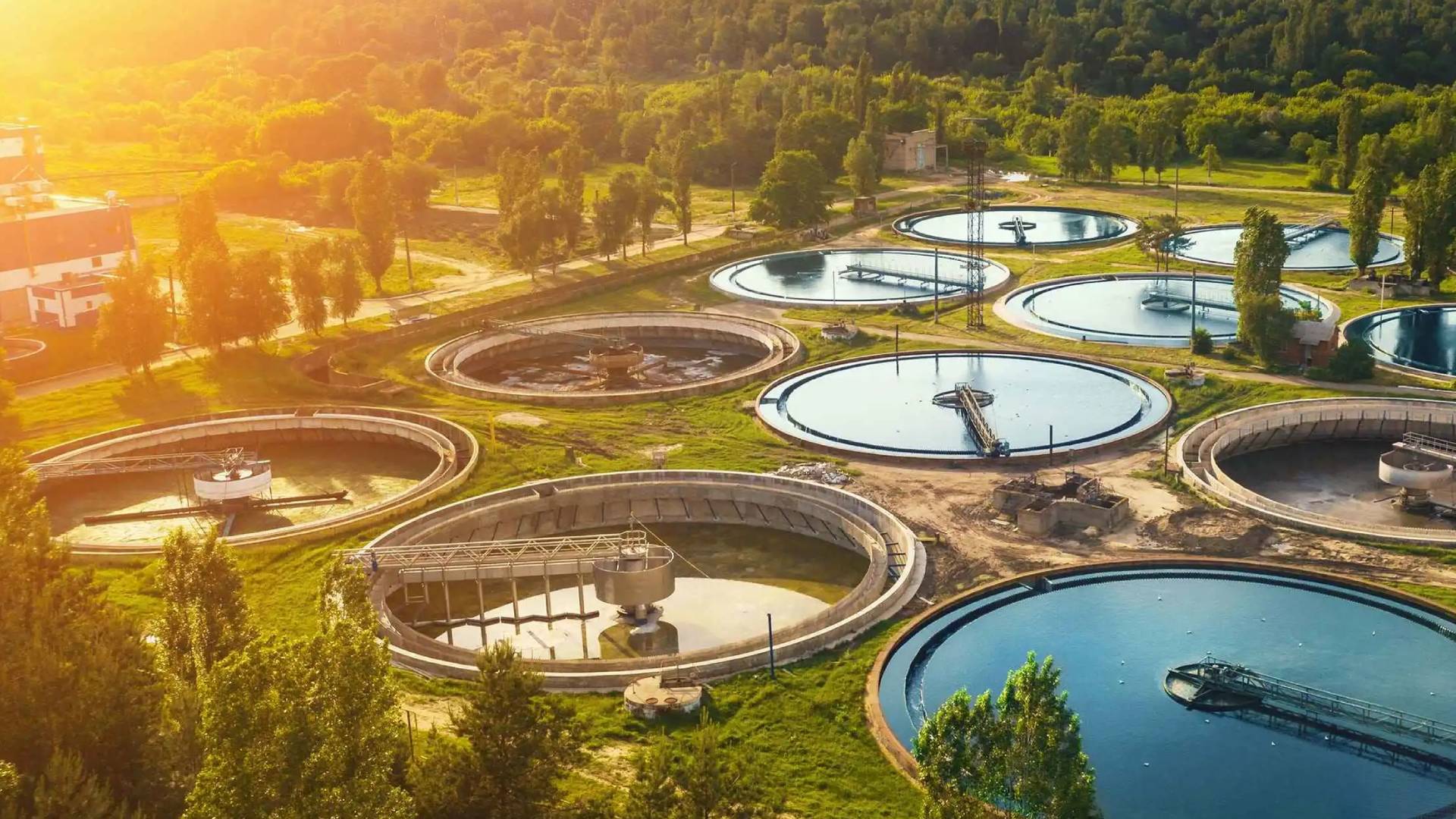
In municipal water and wastewater treatment plants, pumping systems can account for up to 60% of total energy consumption. Operating oversized pumps at constant speeds, relying on throttling valves to control flow, or ignoring declining pump efficiency curves results in massive, unnecessary energy expenditures.
As utility costs rise and environmental mandates tighten, pump optimization is no longer just a cost-saving measure—it is a critical necessity for sustainable operations.
Unleashing the Power of VFDs
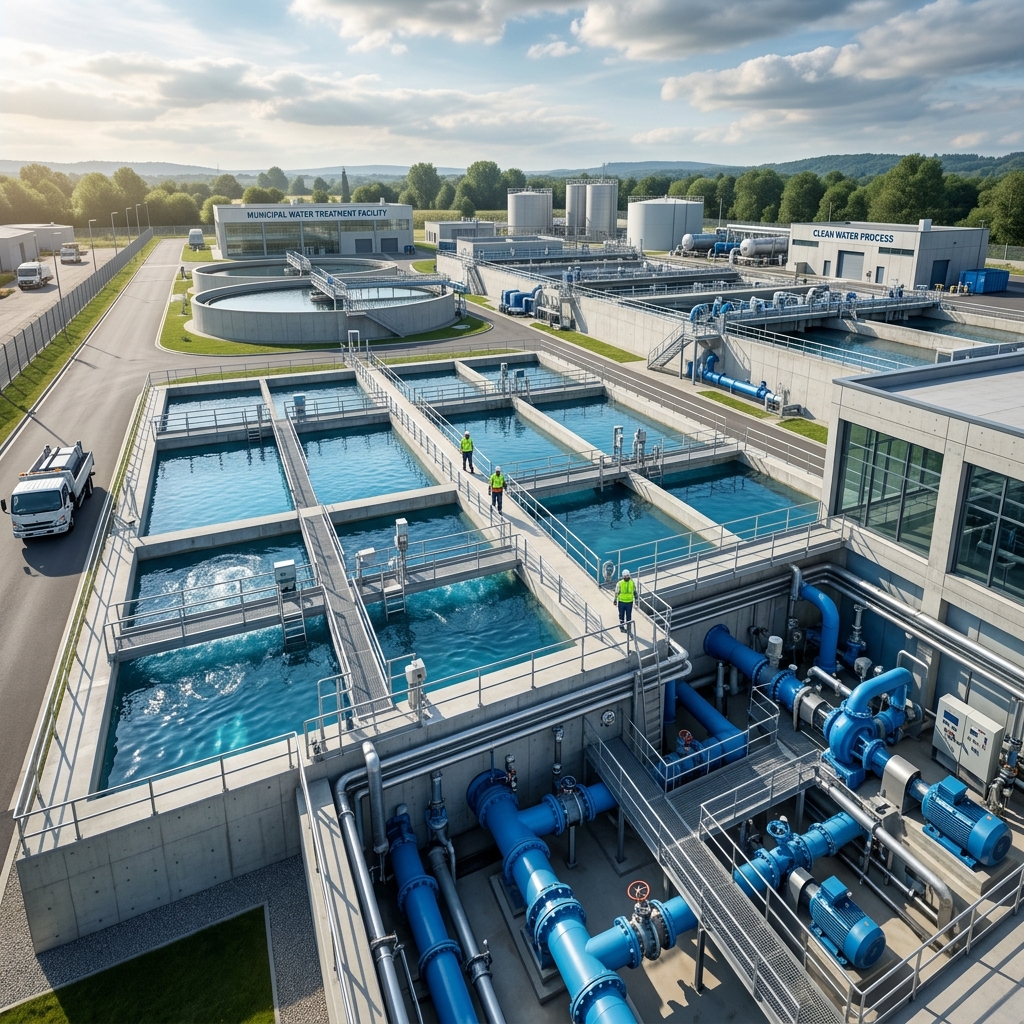
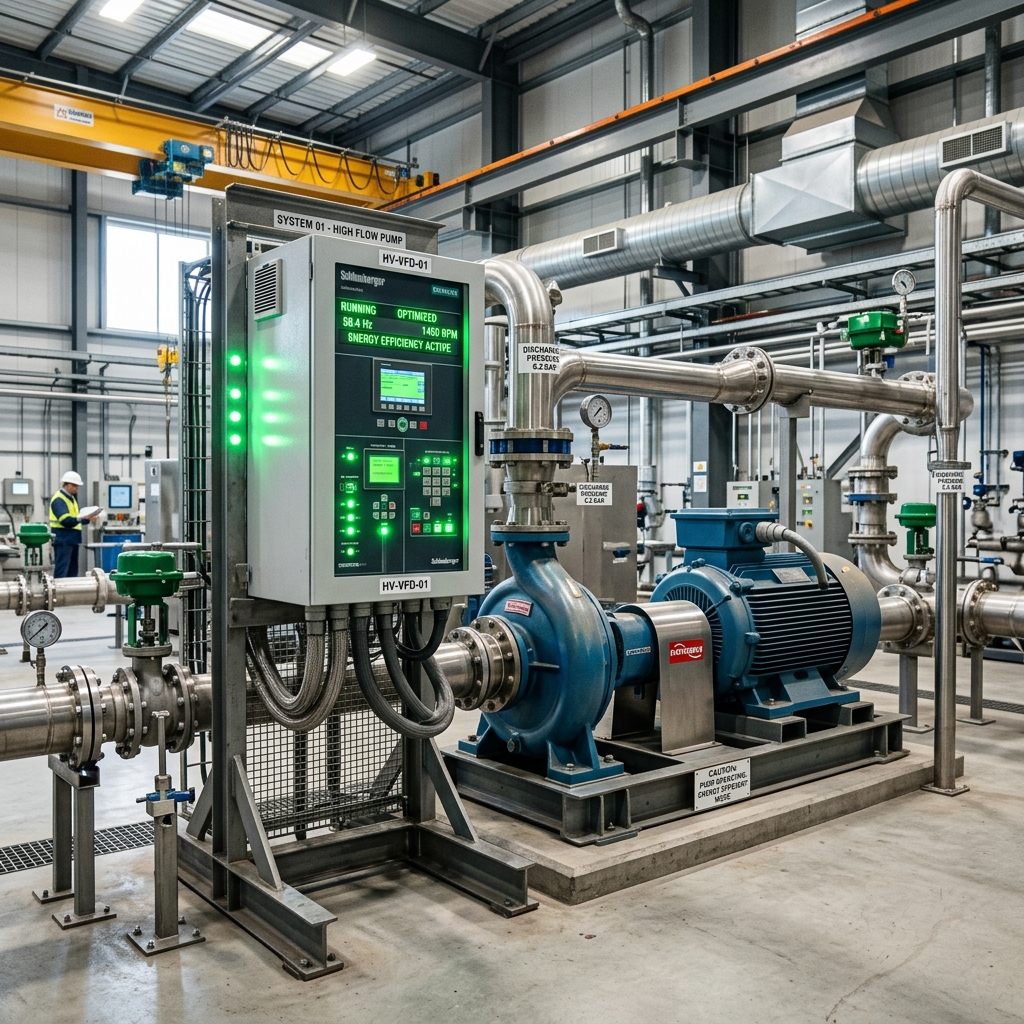
The implementation of Variable Frequency Drives (VFDs) is the single most effective way to optimize pumping efficiency. Rather than running a pump at full speed and choking the flow with a valve, a VFD adjusts the motor's speed to perfectly match the actual system demand.
Due to the laws of fluid dynamics, reducing a pump's speed by just 20% can result in energy savings of up to 50%. When paired with modern SCADA systems and intelligent algorithms, VFD-driven pumps dynamically adapt to diurnal flow variations, reducing wear and tear on bearings and seals, extending equipment life, and drastically lowering the plant's carbon footprint.