
Haynes Equipment Company, Inc. — founded 1961, headquartered in Olathe, Kansas — is one of the Midwest's leading manufacturers' representatives for municipal water and wastewater equipment, and an authorized E/One distributor.
How to convert from a septic system to a public sewer using E/One
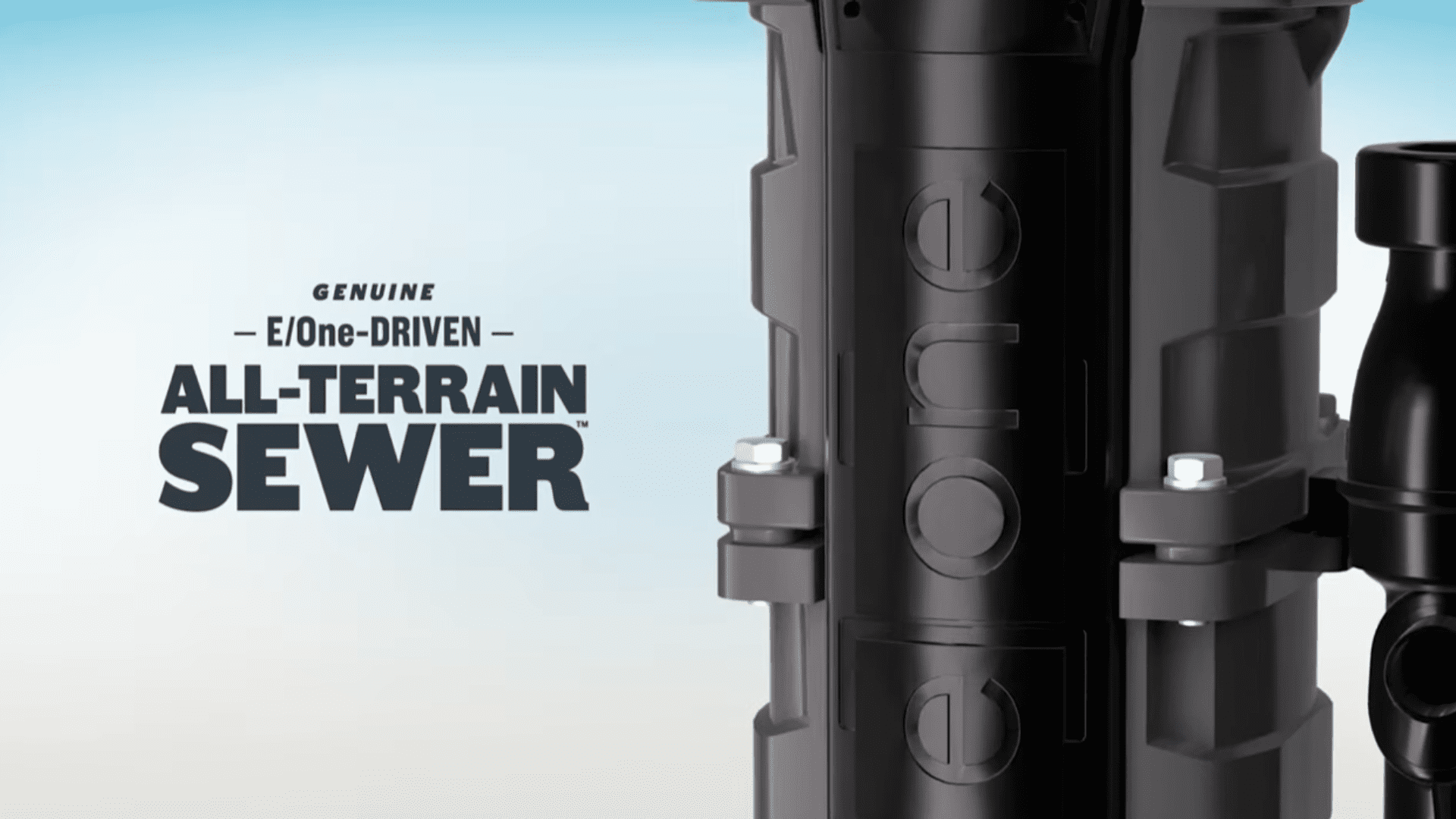
Converting a failing septic system to a public sewer is easily achieved by installing an E/One grinder pump station in your yard, which intercepts the household wastewater before it reaches the old septic tank and pumps it directly into the municipal force main.
When a septic leach field fails—often evidenced by foul odors and soggy ground—homeowners face a massive repair bill or a forced connection to municipal utilities. If the house is downhill from the city sewer line, a gravity connection is impossible without massive excavation.
The E/One solution requires digging a small hole (often replacing the old septic tank entirely) and dropping in a sealed, pre-packaged E/One grinder pump station. The contractor runs a small 1.25-inch HDPE pipe just below the frost line, following the contour of the yard, and ties it into the municipal street main. This completely eliminates the environmental hazard of the septic tank with minimal disruption to your landscaping.
Need E/One Support? Haynes Equipment Is Here.
As the premier E/One representative in the Midwest, Haynes Equipment provides sizing, specification, genuine replacement parts, and factory-certified service.